Phishing prevention is no longer an optional IT concern. It is a fundamental business imperative. In today’s digital landscape, your company’s financial health and reputation depend on it. The threat is not abstract—it is a daily, targeted assault on your employees and your data.
Consider these stark statistics:
68% of businesses expect a phishing attack in the next 12 months.
Phishing initiates 22% of all ransomware attacks and accounts for 16% of all data breaches.
This guide provides a clear path forward. Effective phishing prevention is not just about training employees. It requires a strategic, layered defense. This defense combines human awareness with advanced anti-phishing solutions to create unbreakable email security.
The Modern Phishing Attack: Understanding What You're Up Against
A phishing attack is a cybercrime where attackers impersonate trusted entities. They pretend to be colleagues, banks, or vendors. Their goal is to deceive users into revealing passwords, installing malware, or authorizing fraudulent payments.
These scams have evolved far beyond the poorly written "Nigerian prince" emails. Modern threats are sophisticated and targeted.
Key modern phishing tactics include:
Spear-Phishing & Business Email Compromise (BEC): These are highly targeted attacks. BEC scams, where attackers impersonate executives or vendors to request wire transfers, made up 73% of reported cyber incidents in 2024. They are responsible for 58% of financially motivated phishing.
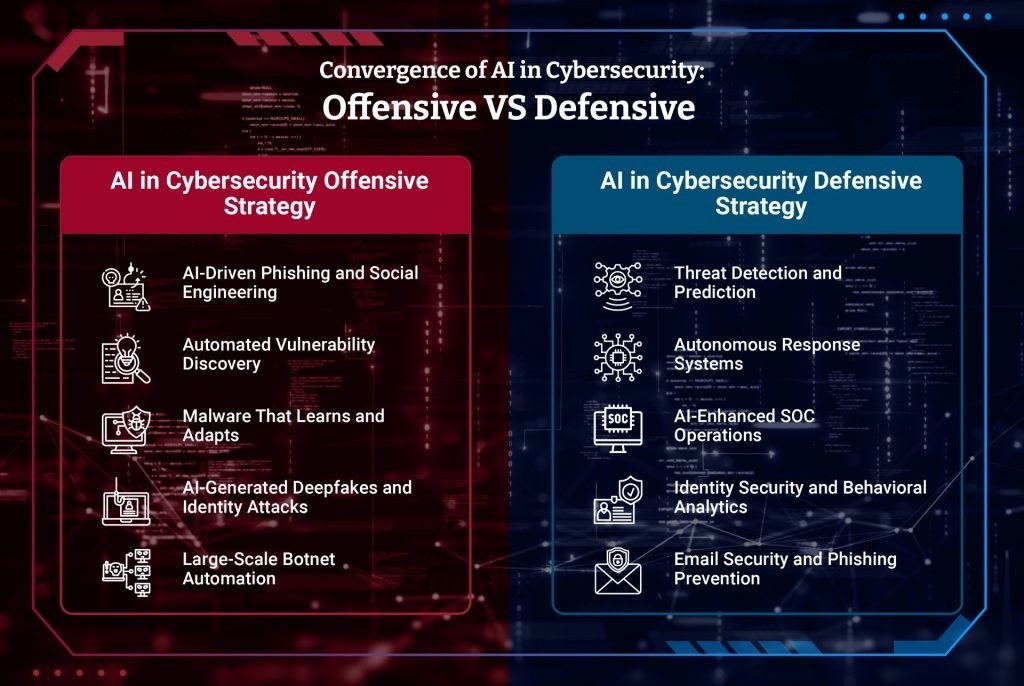
Smishing (SMS) & AI-Generated Content: Attacks now spread to text messages and use Artificial Intelligence. AI can create flawless emails, mimicking writing styles to bypass human suspicion.
Email remains the #1 attack vector. Overall, 1.2% of all emails are malicious. For small businesses, the threat is even higher, with a rate of 1 in 323 emails being malicious.
The consequences of a successful breach are severe:
Data Theft: Involved in 35% of encrypted ransomware attacks.
Direct Financial Loss: Especially from BEC fraud.
Ransomware Deployment: Leading to operational shutdown.
Reputational Damage: Eroding customer trust.
The Human Firewall: Your First Layer of Phishing Attack Prevention
Building a "human firewall" through training is the essential first layer of any phishing attack prevention strategy. Your employees are the first line of defense. Empowering them with knowledge is critical.
The data proves training works:
Organizations with security awareness programs see 38% lower click rates on simulated phishing emails.
Trained employees contribute to a 30% reduction in successful BEC compromises.
Actionable best practices for every employee include:
Scrutinize sender details: Check the actual email address, not just the display name, for slight misspellings (e.g.,
micheal@yourcompany.com).Hover before you click: Hover your mouse over any link to preview the true destination URL in the bottom corner of your browser.
Question urgency: Be extremely wary of emails with urgent or threatening language demanding immediate action.
Report immediately: Report any suspicious email to your IT or security team. The ideal response time is within minutes, not hours.
The Critical Pivot: Why Humans Aren't Enough
While essential, human vigilance is inherently fallible. It cannot be your sole line of defense. The research is clear on its limitations:
68% of all data breaches involve a human element like error or stolen credentials.
Phishing simulation click rates can still be as high as 12-54%. Only 34% of employees regularly participate in these simulations.
One in three organizations trains employees only annually or less. This leaves teams unprepared for evolving, AI-driven tactics.
You need a technological force multiplier.
The Technological Shield: How Anti-Phishing Solutions Fortify Your Defenses
Professional anti-phishing solutions are the critical technological layer. They augment human efforts and proactively block threats before they cause harm. These tools form the core of modern email security.
A comprehensive cybersecurity stack uses multiple layers of defense. Here are the key components of effective anti-phishing solutions:
1. Advanced Email Filtering & Gateways
These solutions block malicious emails before they reach the employee inbox. While filtering accuracy is improving (up 14%), 11% of zero-day phishing attacks still bypass traditional filters. The broader adoption of email authentication protocols like DMARC has been a game-changer, contributing to a 31.8% drop in U.S. phishing attacks.
2. URL & Link Protection
This technology performs real-time, "time-of-click" analysis. It checks a link at the moment an employee clicks it, even if the link was clean when the email was delivered. AI-driven detection in these tools can reduce false negatives by 18%, though 9% of malicious messages may still evade detection.
3. Brand Impersonation & Lookalike Domain Detection
These specialized tools detect domains that impersonate your company or partners. They catch exact-match and slight-variation domains (e.g., your-company.com). This is crucial, as 27% of phishing incidents are BEC-related.
4. Multi-factor Authentication (MFA)
MFA, especially phishing-resistant forms (like FIDO2 security keys), is a non-negotiable last line of defense. It prevents attackers from using stolen passwords. Alarmingly, 76% of organizations affected by BEC did not have phishing-resistant MFA in place.
5. Automated Phishing Simulation & Training Platforms
These tools move beyond annual training videos. They use continuous, behavior-based simulations. This approach can reduce organizational phishing risk by 86% and lead to a 6x improvement in employees spotting real attacks.
Industry proof: The finance and tech sectors have seen phishing rates drop by 78% and 33% respectively, thanks largely to these tools combined with DMARC.
Building Your Proactive Phishing Prevention Strategy: A Step-by-Step Framework
A "defense-in-depth" strategy intentionally layers human and technological elements. This is the blueprint for modern phishing prevention.
Follow this actionable framework:
1. Secure the Foundation
Start by auditing and strengthening core email security. Implement advanced filtering, correctly configure DMARC, DKIM, and SPF protocols, and enforce MFA for all users and critical systems.
2. Extend Protection
Recognize that phishing attack prevention must extend beyond email. Plan for protection against smishing (SMS phishing), AI-generated voice/video scams (vishing/deepfakes), and social media phishing.
3. Train Continuously
Implement a regular schedule of engaging, simulation-based training. Move away from annual compliance videos. Use platforms that provide micro-training based on employee behavior and current threat trends.
4. Measure and Adapt
You cannot improve what you don't measure. Track key metrics like phishing email click rates, employee report rates, and simulation results. Note that only 71% of organizations currently track their phishing metrics.
5. Prepare to Respond
Have a clear, simple incident response plan for when a phishing email is clicked. This is especially critical for potential BEC. Define escalation paths and immediate steps (e.g., disabling compromised accounts, recalling wires).
This proactive, layered approach is the definition of modern phishing prevention. It is necessary, as 71% of organizations expect significant disruption from combined phishing and AI threats in the next 12-24 months.
Choosing the Right Anti-Phishing Solution: A Buyer's Guide
With your strategy defined, the next step is evaluating specific anti-phishing solutions. Your chosen platform must integrate seamlessly with your existing email security infrastructure, like Microsoft 365 or Google Workspace.
Use this checklist to evaluate vendors:
Detection Efficacy: Look for solutions with high detection rates (>90% is ideal). Ask specifically about their capability against AI-enhanced and zero-day phishing. Inquire about their "zero-day bypass rate."
Coverage: Ensure the solution covers key threat types like BEC, brand impersonation, and lookalike domain detection.
Usability & Reporting: The solution should be manageable for your IT team. It must provide clear, actionable reports on threats blocked, user risk exposure, and training simulation performance.
Integrated Training: Consider solutions that combine technical email protection with automated simulation and training platforms. This creates a unified, closed-loop security approach.
Vendor Support & Roadmap: Assess the quality of vendor support. Understand their product development plan to ensure they can handle future threats.
Investment in this area is justified and growing. 50% of businesses are planning to increase their cybersecurity budgets, with phishing prevention and email security being top priorities.
Conclusion: From Awareness to Action – Securing Your Business Future
Robust phishing prevention is a continuous cycle of improvement, not a one-time project. Lasting protection comes from blending a security-aware culture, continuous hands-on training, and powerful anti-phishing solutions.
By taking this holistic approach, you transform your email security from a passive gateway into an active shield. You fundamentally enhance your organization's phishing attack prevention posture and build resilience.
Your Call to Action: Take the first proactive step today.
Conduct an honest audit of your current email security and phishing prevention measures.
Identify the gaps using the framework in this guide.
Begin researching anti-phishing solutions that match your needs.
Protect your business, your data, and your bottom line. The threat is at your door. Your defense starts now.
References & Links
https://www.kaseya.com/blog/key-insights-from-kaseyas-2026-cybersecurity-outlook-report/
https://www.brightdefense.com/resources/phishing-statistics/
https://hoxhunt.com/blog/business-email-compromise-statistics/
https://chargebacks911.com/ecommerce-fraud/phishing/phishing-statistics-financial-impact/
https://www.strongdm.com/blog/small-business-cyber-security-statistics
https://thebestvpn.com/statistics/what-percentage-of-phishing-attacks-are-successful/